
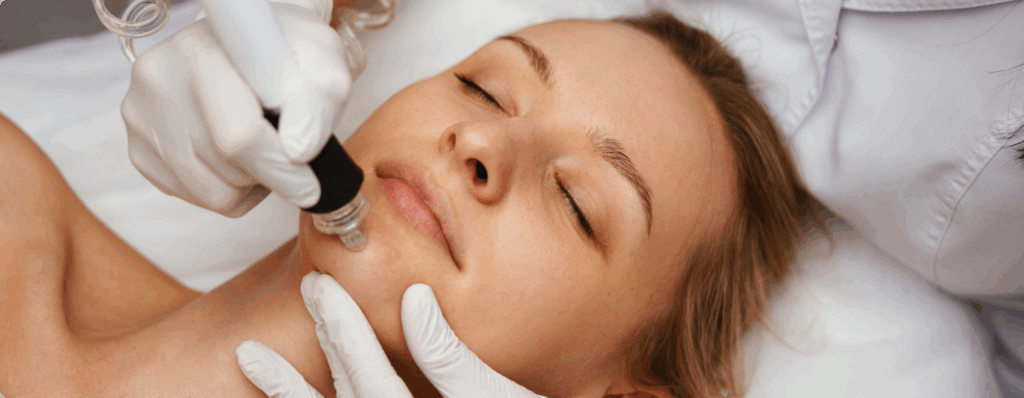
Hair loss affects millions of Americans each year and is one of the most common reasons people seek dermatologic care. According to the American Academy of Dermatology, hair loss can occur for many different reasons and often requires medical evaluation to determine the cause.
At Goodskin Dermatology, our board-certified dermatologists diagnose and treat a wide range of hair loss and scalp conditions at our Oregon locations.
Hair loss can develop for several reasons, including genetics, immune system activity, hormonal changes, or physical stress affecting the scalp and hair follicles.
In some cases, hair thinning develops gradually over time. In others, shedding may occur suddenly after illness, stress, or hormonal changes.
One of the most common causes is androgenetic alopecia, a hereditary condition that affects millions of men and women. According to the American Hair Loss Association, roughly two-thirds of men experience noticeable hair loss by age 35, and many women also develop genetic hair thinning later in life.
Other causes may include autoimmune conditions, scalp inflammation, physical traction on the hair follicles, or temporary disruptions in the hair growth cycle.
Common categories of hair loss include:
Each type of hair loss has a distinct cause, and the right treatment depends on an accurate diagnosis by a dermatologist.
Hair loss is not a single condition. Dermatologists diagnose several different disorders that affect the hair follicle and scalp.
At Goodskin Dermatology, our team evaluates many types of hair loss and helps patients understand the underlying cause before recommending treatment.
Alopecia areata is an autoimmune condition that causes patchy hair loss when the immune system mistakenly targets hair follicles. The condition often appears as small, round patches on the scalp but may also affect other areas. Many patients experience periods of regrowth followed by additional episodes of hair loss.
The most common type of hair loss is androgenetic alopecia, also known as pattern hair loss. In men, it typically presents as a receding hairline or thinning crown, while in women, it often presents as gradual thinning across the scalp.
Telogen effluvium occurs when a larger number of hair follicles enter the resting phase of the hair growth cycle at the same time. This often results in noticeable shedding several months after a triggering event such as illness, surgery, pregnancy, or significant stress.
Traction alopecia develops when repeated tension or pulling damages hair follicles. Hairstyles that place constant stress on the scalp may contribute to this condition. Early diagnosis is important to help prevent permanent follicle damage.
Frontal fibrosing alopecia is a form of scarring hair loss that typically causes a gradual recession along the front hairline. The condition is most commonly diagnosed in postmenopausal women and requires early evaluation to slow progression.
Central centrifugal cicatricial alopecia is a scarring scalp condition that often begins at the crown of the head and spreads outward. This condition disproportionately affects Black women and requires prompt diagnosis to help preserve remaining hair follicles.
Because hair loss may have many different causes, a thorough evaluation is essential. Dermatologists are trained to examine the scalp and hair follicles and identify patterns that indicate specific conditions.
A typical hair loss evaluation may include the following steps:
Some patients may also benefit from a full-body skin evaluation to assess overall skin health and identify related dermatologic concerns.
Ready to find out what may be causing your hair loss? Book a hair loss consultation at one of our Oregon locations now.
Hair loss treatment depends on the underlying cause and the health of the hair follicles. Dermatologists evaluate each patient individually to determine the most appropriate treatment approach.
Treatment options may include:
Treatment plans are individualized and determined by your dermatologist after a thorough evaluation.
Hair loss can affect both appearance and confidence.
At Goodskin Dermatology, our board-certified dermatologists and provider team evaluate hair loss conditions and scalp disorders for patients throughout Oregon.
Patients choose Goodskin Dermatology because we offer:
Our dermatologists have evaluated and treated thousands of Oregon patients experiencing hair loss and scalp conditions.
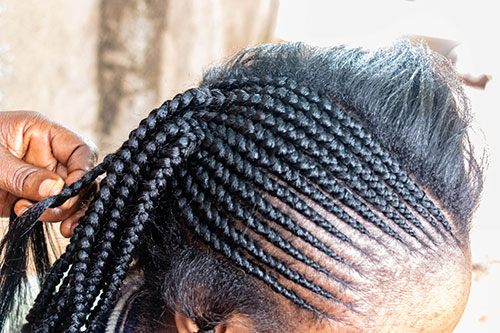
Traction alopecia is a type of hair loss that occurs as a result of the
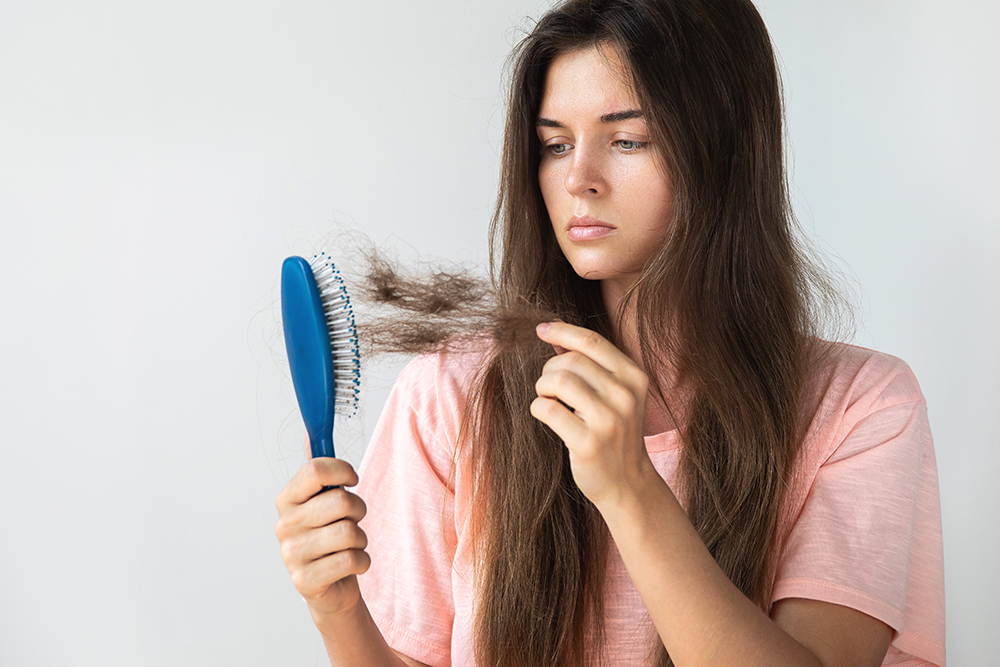
Telogen effluvium is a common cause of temporary hair loss caused by excessive shedding of
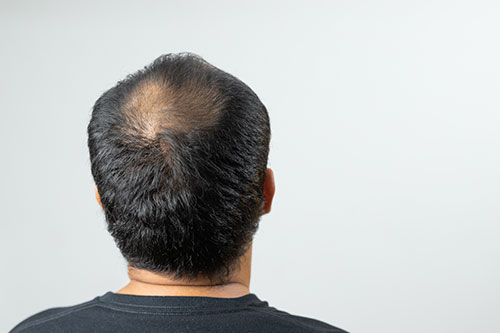
Male-patterned baldness or androgenetic alopecia is the most common form of hair loss affecting men.

Frontal fibrosing alopecia is a relatively new hair loss condition that was first described in
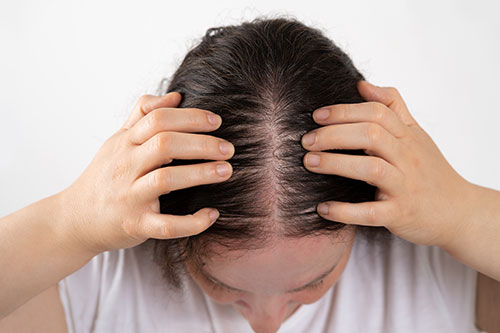
Female pattern hair loss, also known as androgenetic alopecia, is the female counterpart of the
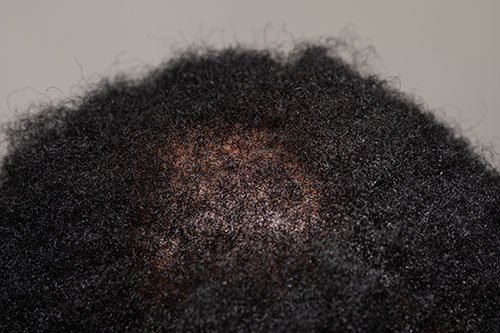
Central centrifugal cicatricial alopecia (CCCA) is a scarring alopecia – a condition which leads to
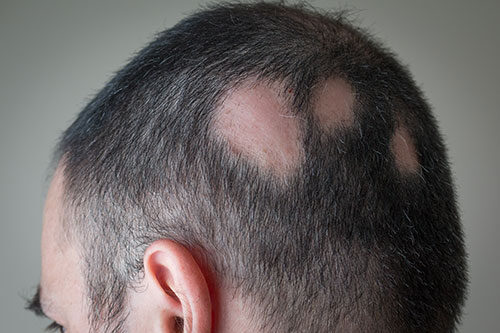
Alopecia areata is an autoimmune condition where the body’s own immune system targets and shuts
Yes. Dermatologists are medical specialists trained to diagnose and treat conditions affecting the skin and scalp. A dermatologist for hair loss can identify the specific type of hair loss through examination and testing, then develop a personalized treatment plan.
Androgenetic alopecia, also called male or female pattern hair loss, is the most common type of hair loss. It develops gradually as hair follicles become increasingly sensitive to certain hormones.
Hair loss may or may not be permanent depending on the underlying cause. Some types of hair loss may improve with treatment or resolve over time, whereas scarring conditions may cause permanent follicle damage if left untreated early.
During your appointment, your dermatologist will review your medical history, examine your scalp, and evaluate the pattern of hair loss. In some cases, additional testing, such as blood tests or a scalp biopsy, may be recommended to confirm the diagnosis.
Goodskin Dermatology accepts many major insurance plans. Medical evaluations for hair loss may be covered when considered medically necessary. Patients can contact the office or review the insurance information page for additional details.